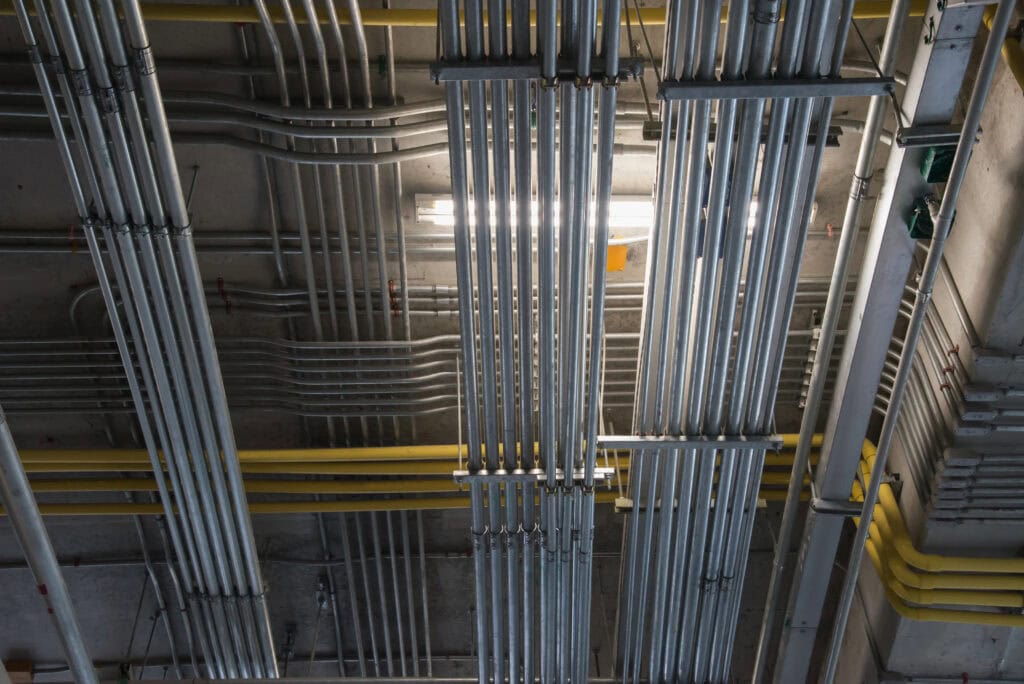
Understanding electrical plans can feel overwhelming for both new electricians and those studying to become one. One of the most crucial aspects of reading and interpreting electrical plans is knowing how conduit runs are laid out. Proper comprehension ensures safe installations, prevents costly errors, and helps projects stay on schedule.
In this guide, we break down the essentials of conduit runs on electrical plans, why they matter, how to read them, and tips to avoid common mistakes.
A conduit run refers to the path through which electrical wiring is routed inside a building or structure. Conduits are protective tubes that house wires, safeguarding them from physical damage, moisture, and interference.
Electrical plans often indicate conduit runs using symbols, lines, and annotations. These plans show:
The type of conduit to use (PVC, EMT, RMC, flexible, etc.)
The route the conduit will take through walls, ceilings, or floors
Connection points for switches, outlets, and panels
Conduit sizes based on wire count and type
Understanding these details ensures the installation meets both safety standards and electrical codes.
Why Conduit Runs Are Important
Properly planned conduit runs are essential for several reasons:
Safety Compliance – Protects wires from damage and prevents electrical hazards.
Efficient Wire Pulling – Ensures wires can be installed without excessive force or risk of kinking.
Future Maintenance – Clearly defined conduit paths make troubleshooting and upgrades easier.
Cost Efficiency – Prevents wasted materials and unnecessary labor.
Failing to follow conduit runs accurately can lead to code violations, project delays, and increased costs.
Reading Conduit Runs on Electrical Plans
Electrical plans use standardized symbols and notations to depict conduit runs. Here’s what to look for:
1. Conduit Symbols
Different conduits have distinct symbols:
EMT (Electrical Metallic Tubing): Often shown as a thin line with “EMT” annotation.
PVC (Polyvinyl Chloride): Represented with a dashed line or labeled “PVC.”
RMC (Rigid Metal Conduit): Typically a solid line labeled “RMC.”
Flexible Conduit: Sometimes shown with a wavy line or “FLEX” label.
2. Path and Routing
Conduit runs indicate where wiring travels through a building. Pay attention to:
Horizontal and vertical runs: Lines show whether conduit travels along ceilings, walls, or floors.
Bends and offsets: Symbols indicate where the conduit changes direction.
Junction boxes and pull points: Marked as squares or rectangles where wires connect or change direction.
3. Conduit Sizing
Plans will specify conduit sizes based on the number and type of wires. This ensures wires fit comfortably and reduces pulling tension.
4. Color Coding and Labels
Some electrical plans use color codes or annotations to indicate:
Voltage type (low voltage, high voltage)
Circuit type (lighting, power, data)
Phase information
Always refer to the plan legend to interpret these correctly.
Tips for Following Conduit Runs Accurately
Study the Legend – Every electrical plan comes with a legend that explains symbols and abbreviations. Don’t skip this step.
Trace One Circuit at a Time – Focus on a single conduit run or circuit before moving to the next to avoid confusion.
Use a Scale – Plans are often drawn to scale. Measure distances carefully to ensure accurate installation.
Double-Check Bend Angles – Avoid exceeding maximum bend limits to prevent wire damage.
Coordinate with Other Trades – HVAC, plumbing, and structural elements may interfere with conduit runs. Verify conflicts before installation.
Document Deviations – If changes are necessary during installation, mark them on your copy of the plan for future reference.
Common Mistakes to Avoid
Ignoring Code Requirements – Each region has electrical codes specifying conduit size, type, and installation methods.
Overcrowding Conduit – Trying to fit too many wires in a conduit can cause overheating and future maintenance issues.
Neglecting Pull Boxes – Long runs may require pull boxes to facilitate wire installation.
Misreading Plan Symbols – Confusing conduit types or directions can lead to installation errors.
Benefits of Mastering Conduit Runs
Understanding conduit runs not only improves your technical skills but also:
Reduces installation errors
Speeds up project completion
Improves collaboration with electricians, engineers, and contractors
Enhances career opportunities by demonstrating proficiency in reading plans
Conclusion
Reading and understanding conduit runs on electrical plans is a fundamental skill for anyone in the electrical field. By learning to interpret symbols, follow routing paths, and follow code-compliant practices, you can ensure safer, more efficient, and professional installations.
Mastering conduit runs helps you avoid costly mistakes, maintain project timelines, and contribute to a well-organized electrical system. Whether you are a student, apprentice, or professional electrician, taking the time to understand conduit layouts is an investment in your expertise and career.