Physical Address
304 North Cardinal St.
Dorchester Center, MA 02124
Physical Address
304 North Cardinal St.
Dorchester Center, MA 02124


In the fast paced world of technology and business, hiring remote software developers has become a smart strategy for companies looking to stay competitive. With the rise of digital tools and global connectivity, businesses can tap into top talent without geographic limits. This approach not only cuts costs but also boosts innovation and efficiency.
Whether you are a startup scaling up or an established firm optimizing operations, these 21 reasons highlight why hiring remote software developers can transform your team and projects. From enhanced productivity to diverse perspectives, discover how this model drives success in 2025 and beyond.
Hiring remote software developers opens doors to skilled professionals worldwide, breaking free from local hiring constraints. This means you can find experts in niche technologies that might be scarce in your area, leading to better project outcomes.
According to reports, remote teams allow companies to attract top notch talent from across the globe, not limited by location. This expanded reach can reduce hiring timelines by up to 35 percent, helping you fill roles faster.
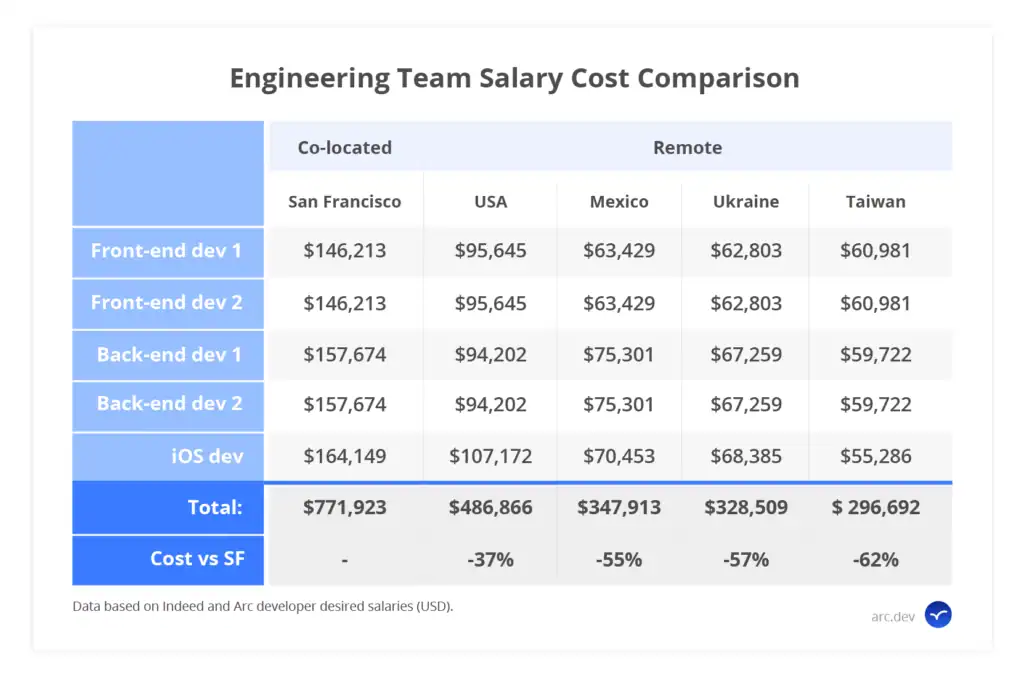
One of the biggest perks is the reduction in overhead expenses, as you avoid costs for office space, utilities, and equipment. Remote developers often work from their own setups, passing those savings directly to your business.
Studies show that hiring remote talent can cut operational costs significantly by eliminating the need for physical infrastructure. For instance, companies save on relocation packages and workspace maintenance, making it a cost effective choice.
Remote software developers tend to be more productive due to fewer distractions and the ability to work in personalized environments. This setup allows them to focus deeply on coding and problem solving.
Data indicates that 77 percent of remote workers report higher productivity, with developers being 52 percent less likely to take time off. Working from home can increase output by 13 percent, attributed to a quieter, more convenient environment.
With remote hires, developers can adjust their schedules to suit peak productivity times, leading to better work life balance and job satisfaction. This flexibility ensures tasks get done efficiently, regardless of time zones.
Remote work offers developers the freedom to choose their hours, allowing better time management and reduced burnout. Companies benefit from this as it often results in higher quality code and faster turnaround.
You can onboard remote developers quicker since there is no need for in person interviews or relocation logistics. This speeds up project starts and keeps momentum going.
Access to a larger pool reduces hiring times by 35 percent, enabling swift team assembly. This agility is crucial in tech where market demands change rapidly.
Scaling your software team becomes simpler with remote developers depending on the programming languages needed; add or remove members based on project needs without space constraints. This adaptability supports business growth without fixed commitments.
Hiring remote allows flexible scaling, with no burden of full time salaries for idle periods. It is ideal for startups needing to pivot quickly.
Time zone differences enable 24/7 progress, as developers in various regions hand off work seamlessly. This accelerates development cycles and shortens time to market.
Remote teams offer 24/7 availability, boosting efficiency through continuous workflow. Businesses can deliver features faster, staying ahead of competitors.
Remote work leads to higher satisfaction, reducing turnover rates among developers. Happy teams mean consistent knowledge retention and lower recruitment costs.
Remote setups improve morale, with teams likely to stay longer than onsite ones. This stability enhances project continuity.
A global team brings varied cultural insights and innovative ideas, fostering creativity in software solutions. This diversity drives better problem solving and user centric designs.
Hiring remotely introduces creative ideas from different backgrounds. It enriches your products with broader viewpoints.
Avoid the high costs of moving developers to your location; remote hires start contributing immediately from wherever they are. This eliminates visa issues and settling in periods.
Eliminating relocation saves money and speeds up integration. It is a practical advantage for international teams.
Remote work reduces commuting, lowering carbon footprints and promoting sustainability. This aligns with eco conscious business practices.
Fewer office based commutes cut pollution, benefiting the planet. Companies can highlight this in their corporate responsibility efforts.
Developers working remotely experience less interruptions, leading to deeper focus and higher quality output. This environment suits the concentration needed for coding.
Remote settings allow better concentration without traditional office noise. It results in more efficient debugging and innovation.
Hire developers familiar with local regulations and user preferences to expand into new regions effectively. This localized knowledge aids market penetration.
Remote teams help penetrate local markets with insider expertise. It supports global expansion strategies.
Access skilled developers from regions with lower living costs, getting high quality work at competitive rates. This balances budget without compromising standards.
Talent from affordable areas offers savings of up to 62 percent compared to high cost cities. It maximizes your investment in development.
Modern tools like Slack and Zoom make remote collaboration seamless, often more efficient than in person meetings. This tech stack keeps teams connected.
Improved communication through digital tools drives success in remote setups. It fosters real time feedback and agility.
Remote developers can integrate AI and other cutting edge tools more readily, enhancing your software capabilities. This keeps your projects at the forefront of innovation.
Embracing remote work allows leveraging generative AI for better results. It positions your business as a tech leader.
With flexible schedules and focused work, remote teams often deliver software faster. This speed to market gives a competitive edge.
Remote hiring supports faster delivery and operational flexibility. Projects launch sooner, capturing opportunities.
Connect with developers who understand diverse markets, expanding your software’s appeal globally. This broadens your customer base.
Remote collaboration expands market reach through varied insights. It helps tailor products for international users.
Diverse remote teams spark innovation with unique approaches to challenges. This creativity leads to standout software features.
Creative ideas flow from global perspectives in remote hires. It differentiates your offerings.
Remote work boosts developer happiness, leading to motivated teams and superior performance. Satisfied employees invest more in their work.
Improved morale from remote flexibility enhances overall output. It creates a positive cycle of retention and excellence.
As remote work becomes the norm, hiring remote developers prepares your company for evolving work trends. This adaptability ensures long term success.
By 2025, 70 percent of the workforce will work remotely at least part time, making this model essential. Embracing it now positions you ahead.
Hiring remote software developers is more than a trend, it is a strategic move that aligns with modern business needs. With these 21 reasons in mind, consider how this approach can elevate your projects. Start exploring remote talent today to unlock growth and innovation for your organization.